
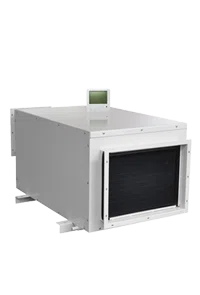
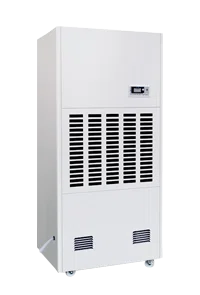
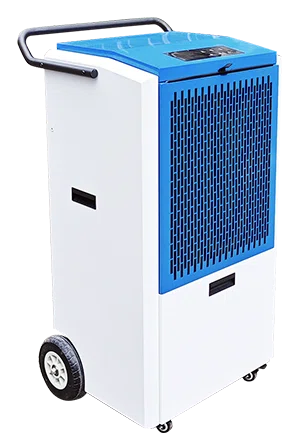
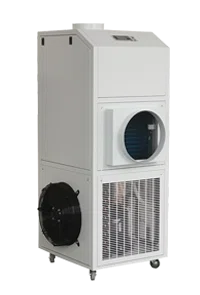
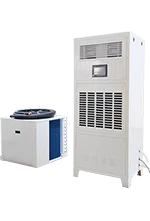
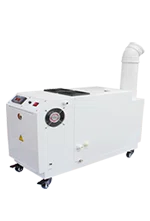
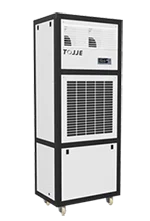
Attemperation Dehumidifiers for Museums, Archives, and Libraries
Museums, archives, and libraries serve as guardians of history, culture, and knowledge. Their collections often include rare books, historical manuscripts, photographs, artworks, maps, textiles, and other irreplaceable materials that are highly sensitive to environmental conditions.
Among the many threats to collection preservation, excessive humidity and temperature fluctuations are some of the most damaging. Moisture can encourage mold growth, accelerate material degradation, and compromise the structural integrity of valuable artifacts. To address these challenges, many institutions rely on attemperation dehumidifiers, which combine humidity control with temperature regulation to create a stable preservation environment.
Preservation Requirements for Museums, Archives, and Libraries
Many preservation professionals recommend maintaining carefully controlled environmental conditions.
Typical objectives include:
-
Stable relative humidity levels
-
Consistent room temperatures
-
Minimal daily fluctuations
-
Clean and filtered air circulation
-
Protection from external climate influences
Attemperation dehumidifiers support these goals by providing integrated temperature and moisture management.
Benefits of Attemperation Dehumidifiers for Museums
Protecting Historical Artifacts
Museum collections often contain objects made from:
-
Paper
-
Wood
-
Leather
-
Fabric
-
Metal
-
Ceramics
-
Mixed materials
Each material reacts differently to environmental changes. Attemperation dehumidifiers help maintain balanced conditions that reduce deterioration risks across diverse collections.
Supporting Exhibition Quality
Stable environmental conditions help preserve:
-
Color accuracy
-
Surface finishes
-
Structural integrity
-
Material appearance
This allows exhibits to remain visually appealing and historically accurate for visitors.
Reducing Conservation Costs
Preventive environmental control can reduce the need for costly restoration work by minimizing damage before it occurs.
Applications in Archives
Preservation of Documents and Manuscripts
Archives house irreplaceable records that often exist in a single original copy.
Humidity control helps prevent:
-
Paper brittleness
-
Mold contamination
-
Ink migration
-
Binding deterioration
Maintaining stable conditions significantly extends document lifespan.
Protection of Photographic Collections
Photographs are especially vulnerable to moisture-related damage.
Attemperation dehumidifiers help safeguard:
-
Film negatives
-
Photographic prints
-
Glass plate negatives
-
Microfilm archives
Proper environmental management reduces chemical degradation and image loss.
Applications in Libraries
Protecting Rare Books and Special Collections
Rare books are highly susceptible to humidity fluctuations.
Potential issues include:
-
Page warping
-
Mold growth
-
Cover deformation
-
Binding damage
Consistent environmental conditions help preserve these valuable resources for future generations.
Enhancing User Comfort
In addition to protecting collections, attemperation dehumidifiers improve indoor comfort for:
-
Researchers
-
Staff
-
Visitors
-
Students
Balanced humidity and temperature levels contribute to a healthier and more comfortable environment.
Mold Prevention and Air Quality Improvement
Controlling Biological Growth
Mold is one of the most serious threats to archival collections.
Attemperation dehumidifiers help prevent mold by:
-
Maintaining appropriate humidity levels
-
Improving airflow
-
Eliminating excess moisture accumulation
This reduces the likelihood of contamination and collection loss.
Supporting Healthy Indoor Air
Many systems include advanced filtration components that help remove:
-
Dust particles
-
Airborne contaminants
-
Spores
-
Pollutants
Cleaner air benefits both collections and building occupants.
Energy-Efficient Climate Control
Modern attemperation dehumidifiers are designed to balance preservation requirements with operational efficiency.
Energy-saving features may include:
-
Intelligent humidity sensors
-
Variable-speed fans
-
Automated control systems
-
Heat recovery technologies
-
Smart monitoring capabilities
These features help institutions maintain ideal conditions while controlling operating costs.
Integration with Building Management Systems
Many museums, archives, and libraries use centralized environmental management systems.
Attemperation dehumidifiers can often integrate with:
-
HVAC systems
-
Building automation platforms
-
Environmental monitoring software
-
Alarm and notification systems
This integration enables continuous oversight and rapid response to changing conditions.
Factors to Consider When Selecting an Attemperation Dehumidifier
When choosing a system for preservation facilities, decision-makers should evaluate:
Capacity Requirements
The dehumidifier must be appropriately sized for:
-
Room volume
-
Collection density
-
Occupancy levels
-
Local climate conditions
Environmental Precision
High-value collections require systems capable of maintaining narrow environmental tolerances.
Reliability and Maintenance
Facilities should prioritize systems that offer:
-
Long-term operational stability
-
Easy maintenance access
-
Reliable performance
-
Professional technical support
Energy Performance
Efficient operation helps reduce lifecycle costs while supporting sustainability objectives.
Museums, archives, and libraries face the ongoing challenge of preserving valuable collections against environmental threats. Excess humidity, temperature fluctuations, mold growth, and air quality issues can significantly shorten the lifespan of historical artifacts and archival materials.
Attemperation dehumidifiers provide a comprehensive solution by combining humidity control with temperature stabilization. Their ability to create consistent preservation environments helps protect rare books, manuscripts, photographs, artworks, and cultural heritage assets while supporting visitor comfort and energy efficiency.