
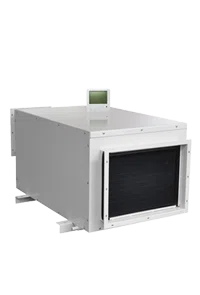
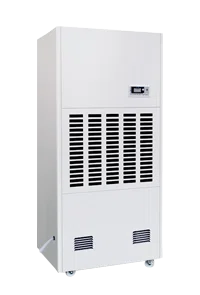
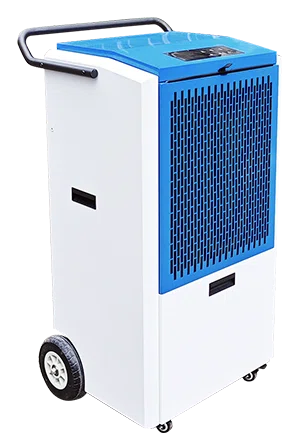
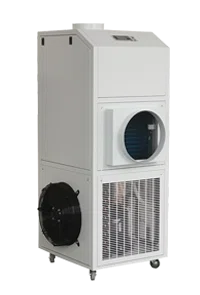
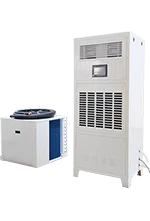
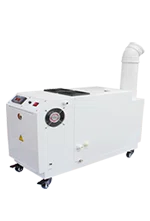
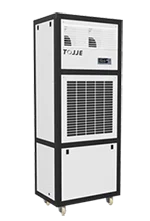
Attemperation Dehumidifiers for Protecting Sensitive Industrial Materials
Many industrial materials are sensitive to excessive moisture and fluctuations in temperature and humidity. When these materials are stored or processed under uncontrolled environmental conditions, moisture can contribute to corrosion, mold growth, material degradation, surface defects, and changes in product quality.
Attemperation dehumidifiers provide a solution by helping control moisture while maintaining suitable temperature and humidity conditions. By creating a more stable industrial environment, these systems can help protect sensitive materials throughout manufacturing, storage, and handling processes.
How Attemperation Dehumidifiers Protect Materials
1. Reducing Excess Moisture
Excessive humidity increases the amount of moisture available to interact with materials and equipment.
An industrial dehumidification system removes moisture from the air, helping maintain a controlled environment and reducing moisture exposure.
This is particularly useful for facilities storing:
-
Metal components
-
Electronic components
-
Chemicals
-
Paper products
-
Textiles
-
Powders
-
Pharmaceuticals
-
Packaging materials
2. Reducing Condensation Risks
Condensation occurs when a surface reaches a temperature below the surrounding air's dew point.
Temperature fluctuations can therefore create moisture on equipment, packaging, and stored materials.
Attemperation dehumidifiers can help maintain more stable environmental conditions, reducing the likelihood of condensation-related problems in suitable applications.
3. Helping Prevent Corrosion
Metal materials and components can be vulnerable to corrosion when moisture is present for extended periods.
By controlling relative humidity, industrial dehumidification can help create a less favorable environment for moisture-related corrosion.
This can be valuable in:
-
Metal warehouses
-
Machinery storage areas
-
Component production facilities
-
Equipment rooms
-
Industrial workshops
Humidity control should be combined with appropriate material protection, ventilation, and storage practices.
Materials That Can Benefit from Controlled Humidity
Different industries have different moisture-control requirements.
Metal Components
Metal parts, tools, machinery, and finished components may require controlled humidity to help minimize corrosion during storage.
Electronic Components
Electronic components can be sensitive to moisture during storage and manufacturing. Stable environmental conditions can help reduce moisture-related handling and storage concerns.
Pharmaceutical Materials
Certain pharmaceutical ingredients and products may be sensitive to environmental humidity. Controlled storage conditions can support product stability and manufacturing consistency.
Paper and Packaging Materials
Paper, cardboard, and other fiber-based materials can absorb moisture from the surrounding environment. Excessive humidity may affect dimensions, strength, surface characteristics, and print quality.
Textile Materials
Textile fibers can respond to changes in environmental humidity. Maintaining suitable conditions can help support consistent processing and storage.
Chemical and Powder Materials
Some powders and chemical materials can absorb moisture, resulting in clumping or changes in handling characteristics. Dehumidification can help maintain more suitable storage conditions where required.
Attemperation Dehumidifiers in Industrial Storage
Warehouses and storage facilities can be particularly vulnerable to humidity changes.
Large spaces may experience different temperature and humidity conditions throughout the day. Seasonal changes, outdoor air infiltration, doors opening frequently, and heat generated by equipment can further affect indoor conditions.
An appropriately designed industrial dehumidification system can help maintain more consistent environmental conditions.
Important considerations include:
-
Warehouse size
-
Ceiling height
-
Ambient temperature
-
Target relative humidity
-
Moisture load
-
Air infiltration
-
Door opening frequency
-
Material sensitivity
-
Required operating schedule
Using Dehumidification During Manufacturing
Humidity control is not limited to storage applications.
Many manufacturing processes also depend on controlled environmental conditions. Excessive moisture can influence raw materials, intermediate products, equipment, and finished goods.
Attemperation dehumidifiers may therefore support applications such as:
-
Pharmaceutical production
-
Electronics manufacturing
-
Textile processing
-
Paper production
-
Chemical processing
-
Precision component manufacturing
-
Material packaging
Maintaining stable conditions can help reduce environmental variation and improve production consistency.
Why Temperature and Humidity Should Be Considered Together
Humidity and temperature are closely related.
For example, a change in temperature can alter relative humidity and influence the potential for condensation. Therefore, simply removing moisture without considering temperature conditions may not provide complete environmental control.
An attemperation approach considers the interaction between these parameters to create a more controlled industrial environment.
This can be especially important when materials must remain within specific environmental limits.
Attemperation dehumidifiers can play an important role in protecting sensitive industrial materials by helping control moisture, humidity, temperature, and condensation risks.
From metal components and electronic parts to pharmaceutical materials, textiles, paper products, and industrial powders, stable environmental conditions can help reduce moisture-related problems and support consistent material quality.