
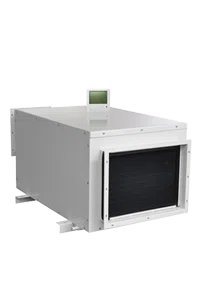
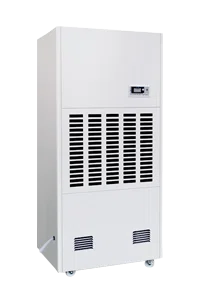
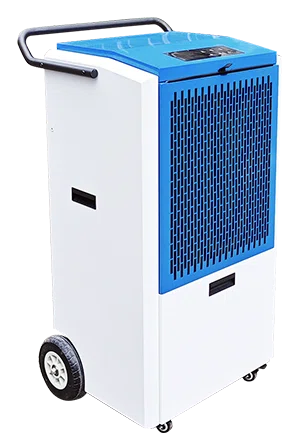
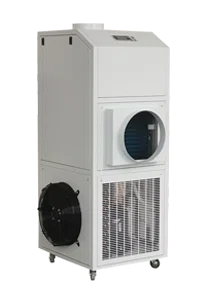
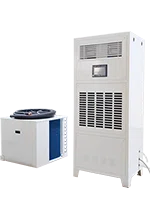
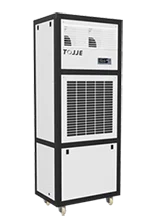
Drying a Flooded Building with High Capacity Industrial Dehumidifier
Flooding can cause serious damage to commercial buildings, industrial facilities, warehouses, offices, and residential properties. Even after standing water has been removed, moisture can remain trapped in walls, floors, ceilings, insulation, and other building materials. If this moisture is not addressed promptly, it can lead to mold growth, unpleasant odors, structural deterioration, and costly repairs.
One of the most effective tools for large-scale water damage restoration is a high-capacity industrial dehumidifier. Designed to remove substantial amounts of moisture from the air, these machines help accelerate the drying process and create more favorable conditions for restoring water-damaged buildings.
Why Is Drying a Flooded Building So Important?
After a flood, removing visible water is only the first step. Moisture can penetrate porous materials and remain inside building structures long after the floors appear dry.
Common areas where hidden moisture accumulates include:
-
Drywall and plasterboard.
-
Concrete floors and masonry walls.
-
Wooden flooring and structural timber.
-
Insulation and ceiling materials.
-
Carpets, underlayments, and upholstered furnishings.
-
Basements, service rooms, and poorly ventilated spaces.
Excess moisture can create several problems if drying is delayed.
Preventing Mold Growth
Damp building materials provide favorable conditions for mold growth when moisture remains available. Mold can develop on surfaces and within materials, potentially affecting indoor air quality and creating additional remediation costs.
Rapid moisture removal helps reduce the conditions that support mold growth, although dehumidification alone cannot remove existing mold contamination.
Protecting Building Materials
Prolonged exposure to moisture can cause wood to swell, flooring to warp, metal components to corrode, and some finishes to deteriorate.
Effective drying helps limit further moisture-related damage and supports the recovery of affected building materials.
Reducing Restoration Time
Without adequate moisture control, water can continue evaporating from wet materials and raising indoor humidity. This slows the overall drying process.
A properly sized high capacity industrial dehumidifier removes water vapor from the air, helping maintain the conditions needed for moisture to evaporate from wet surfaces and materials.
How to Choose the Right Industrial Dehumidifier for Flood Restoration
Selecting the right equipment is essential for achieving efficient drying without unnecessary energy consumption or extended restoration time.
Building Size and Layout
The total floor area provides a useful starting point, but it is not enough to determine equipment capacity.
A large open warehouse may require a different setup from a smaller building with many enclosed rooms, thick masonry walls, and limited airflow.
Consider the affected volume, number of rooms, ceiling height, and degree of separation between spaces.
Moisture Load
The amount of water introduced into the building has a major impact on drying requirements.
A minor pipe leak affecting one room will generally require a different approach from extensive flooding that has saturated walls, floors, insulation, and structural components.
The assessment should account for both visible water and moisture retained in building materials.
Temperature and Relative Humidity
Refrigerant dehumidifiers typically perform best within their specified temperature and humidity operating range. Their moisture removal capacity can decrease significantly in colder conditions.
Desiccant systems may be more suitable when temperatures are low or when the drying target is particularly demanding.
Always compare equipment performance at realistic operating conditions rather than relying exclusively on maximum rated capacity.
Continuous Drainage
Flood restoration may require equipment to operate for extended periods.
A continuous drainage connection can reduce the need to empty collection tanks manually. Drainage hoses should be installed securely, with appropriate discharge arrangements and no risk of overflow.
Energy Efficiency and Operating Costs
Industrial dehumidifiers can consume significant electrical power during prolonged restoration work.
When comparing units, consider moisture removal performance, power consumption, airflow, maintenance requirements, and expected operating hours.
A unit with higher nominal capacity is not automatically the most economical choice for every application.
Best Practices for Faster and Safer Structural Drying
The following practices can improve drying performance and help prevent secondary damage.
Establish a controlled drying area. Where appropriate, isolate affected zones to improve humidity control and prevent moisture from spreading into unaffected areas.
Optimize airflow. Position air movers to support evaporation without directing contaminated air into clean spaces.
Keep drainage reliable. Inspect hoses, pumps, and discharge points to prevent leaks or overflow during continuous operation.
Maintain the equipment. Clean filters and inspect air inlets, coils, drainage components, and electrical connections according to manufacturer instructions.
Track drying data. Record temperature, relative humidity, and material moisture readings to determine whether the drying strategy is working.
Avoid premature shutdown. Do not stop drying simply because visible water has disappeared. Verify that affected materials have reached appropriate moisture targets.
Address the source of water. Repair leaks, stop ongoing water intrusion, and correct drainage problems before completing restoration.
Drying a flooded building requires a coordinated approach that combines water extraction, effective airflow, controlled humidity, and consistent moisture monitoring.
A high-capacity industrial dehumidifier is an important part of this process. By removing water vapor from the air, it helps maintain drying conditions and supports moisture evaporation from affected building materials.