
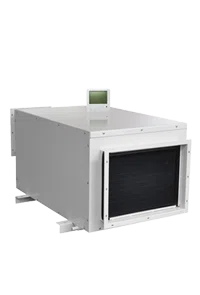
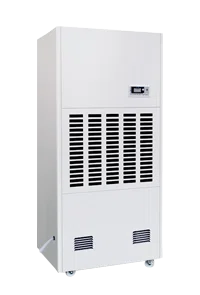
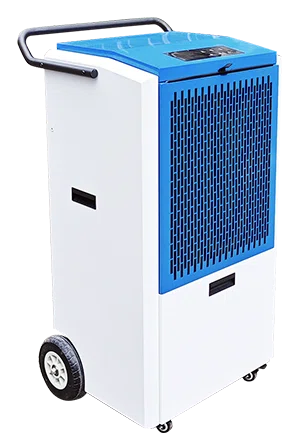
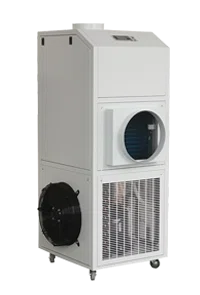
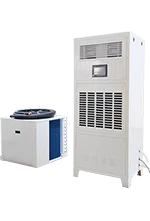
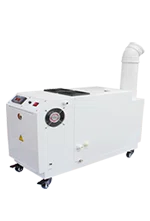
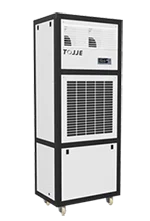
Energy-Efficient Industrial Dehumidifiers for Modern Facilities
Maintaining optimal humidity levels is essential for modern industrial and commercial facilities. Excess moisture can lead to equipment corrosion, product defects, mold growth, reduced worker comfort, and increased operational costs. As industries focus on sustainability and energy conservation, energy-efficient industrial dehumidifiers have become a critical solution for effective environmental control.
From manufacturing plants and warehouses to pharmaceutical facilities and data centers, modern industrial dehumidifiers help organizations achieve reliable humidity management while minimizing energy consumption.
What Makes an Industrial Dehumidifier Energy-Efficient?
Modern industrial dehumidifiers are designed to remove moisture while consuming less power than traditional systems.
Key energy-saving features include:
High-Efficiency Compressors
Advanced compressors optimize moisture removal while reducing electricity consumption. Variable-speed compressor technology adjusts performance based on environmental conditions, preventing unnecessary energy use.
Intelligent Control Systems
Smart humidity sensors continuously monitor conditions and automatically adjust operation to maintain target humidity levels.
Benefits include:
-
Reduced energy waste
-
Consistent environmental control
-
Lower operating costs
-
Improved equipment lifespan
Heat Recovery Technology
Many industrial dehumidifiers utilize heat recovery systems that recycle thermal energy generated during the dehumidification process.
Advantages include:
-
Increased system efficiency
-
Reduced heating requirements
-
Lower overall energy consumption
Variable-Speed Fans
Variable-speed fans adjust airflow according to humidity demands, minimizing power consumption during periods of lower moisture load.
Benefits of Energy-Efficient Industrial Dehumidifiers
Lower Operating Costs
Energy-efficient systems consume significantly less electricity than conventional dehumidifiers, helping businesses reduce utility expenses.
Cost-saving benefits include:
-
Reduced monthly energy bills
-
Lower maintenance requirements
-
Improved return on investment
-
Reduced equipment downtime
Improved Product Quality
Many manufacturing processes require precise humidity control to ensure product consistency.
Examples include:
-
Pharmaceutical production
-
Food processing
-
Electronics manufacturing
-
Plastic injection molding
-
Textile production
Stable humidity levels help minimize defects and maintain high-quality standards.
Enhanced Equipment Protection
Excess moisture accelerates corrosion and equipment wear.
Industrial dehumidifiers help protect:
-
Production machinery
-
Electrical systems
-
Control panels
-
Storage racks
-
Sensitive instrumentation
This extends equipment lifespan and reduces maintenance costs.
Sustainability and Environmental Compliance
Energy-efficient dehumidification supports sustainability initiatives by:
-
Reducing carbon emissions
-
Lowering energy consumption
-
Supporting green building certifications
-
Meeting environmental regulations
Organizations can improve both operational efficiency and environmental performance.
Key Applications in Modern Facilities
Manufacturing Plants
Manufacturing facilities rely on humidity control to maintain production quality and protect equipment.
Common applications include:
-
Metal fabrication
-
Automotive manufacturing
-
Plastic processing
-
Electronics assembly
-
Aerospace production
Proper moisture control improves process stability and reduces production losses.
Warehouses and Distribution Centers
Warehouses often store moisture-sensitive products that require controlled environments.
Industrial dehumidifiers help protect:
-
Paper products
-
Electronics
-
Pharmaceuticals
-
Chemicals
-
Consumer goods
Humidity control also prevents mold growth and packaging damage.
Pharmaceutical Facilities
Pharmaceutical manufacturing requires strict environmental control to comply with industry regulations.
Benefits include:
-
Product stability
-
Regulatory compliance
-
Reduced contamination risks
-
Consistent production conditions
Energy-efficient dehumidifiers help maintain required humidity levels while controlling operating expenses.
Food Processing Facilities
Food manufacturers use industrial dehumidification systems to:
-
Reduce condensation
-
Improve food safety
-
Extend product shelf life
-
Protect packaging materials
Controlled humidity is critical throughout processing, packaging, and storage operations.
Data Centers and Server Rooms
Moisture can damage sensitive electronic equipment and compromise IT infrastructure.
Industrial dehumidifiers help:
-
Prevent condensation
-
Protect servers and networking equipment
-
Improve system reliability
-
Reduce maintenance risks
Maintaining stable humidity levels is essential for uninterrupted operations.
Advanced Technologies Driving Efficiency
Smart Monitoring Systems
Modern dehumidifiers integrate with building management systems (BMS) and industrial automation platforms.
Features include:
-
Real-time humidity monitoring
-
Remote control capabilities
-
Automated reporting
-
Predictive maintenance alerts
These technologies optimize performance and energy usage.
IoT Connectivity
Internet of Things (IoT) integration allows facility managers to monitor and control dehumidification systems from anywhere.
Benefits include:
-
Faster issue detection
-
Improved system management
-
Enhanced operational visibility
-
Data-driven decision-making
Energy Management Integration
Many modern facilities incorporate industrial dehumidifiers into broader energy management strategies.
This enables:
-
Load balancing
-
Energy consumption tracking
-
Peak demand reduction
-
Improved facility efficiency
Selecting the Right Energy-Efficient Industrial Dehumidifier
When choosing an industrial dehumidification system, consider the following factors:
Facility Size
Larger facilities require higher-capacity systems capable of managing greater moisture loads.
Humidity Requirements
Different industries have unique humidity specifications.
For example:
-
Pharmaceuticals: Strict humidity control
-
Electronics: Low moisture environments
-
Warehousing: Moderate humidity management
Energy Performance Ratings
Evaluate equipment based on:
-
Moisture removal efficiency
-
Energy consumption
-
Annual operating costs
-
System reliability
Automation Features
Look for systems offering:
-
Smart controls
-
Remote monitoring
-
Programmable operation schedules
-
Data logging capabilities
These features maximize efficiency and simplify management.
Energy-efficient industrial dehumidifiers are becoming indispensable for modern facilities seeking to balance environmental control, operational efficiency, and sustainability goals. By reducing energy consumption, protecting equipment, improving product quality, and supporting regulatory compliance, these systems provide significant value across a wide range of industries.