
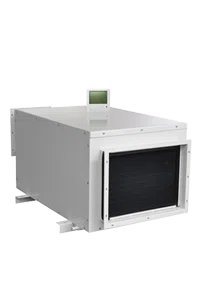
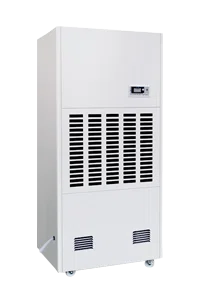
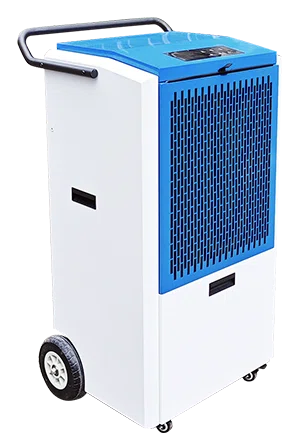
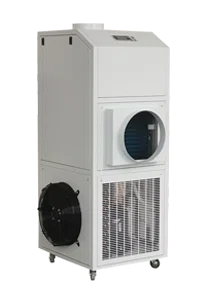
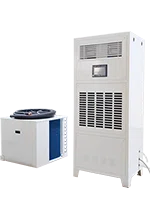
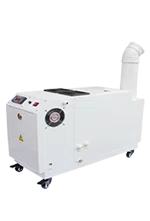
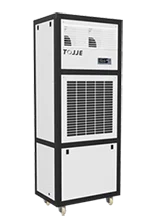
Grow Room Dehumidifiers for Greenhouses and Controlled Environments
Greenhouses and controlled-environment agriculture (CEA) facilities rely on stable temperature, humidity, and airflow to create suitable growing conditions. While temperature control often receives significant attention, humidity management is equally important. Excess moisture can lead to condensation, increase the risk of plant diseases, and make it difficult to maintain consistent environmental conditions.
A grow room dehumidifier provides an effective solution by removing excess moisture from the air and helping maintain the desired relative humidity (RH). Whether used in commercial greenhouses, indoor farms, propagation rooms, or other controlled growing environments, the right dehumidification system can improve environmental stability and support more efficient facility management.
Why Is Humidity Control Important in Greenhouses?
Plants release moisture into the surrounding air through transpiration. In enclosed or semi-enclosed growing spaces, this moisture can accumulate, particularly when ventilation is limited or outdoor humidity is high.
Without effective humidity control, excessive moisture may cause several operational challenges.
Preventing Condensation
When warm, humid air comes into contact with cooler surfaces, such as greenhouse glazing, walls, pipes, and equipment, condensation can form. Persistent condensation may damage building materials, affect equipment, and create unfavorable conditions for plant production.
A properly sized grow room dehumidifier helps reduce excess moisture and minimize the conditions that contribute to condensation.
Supporting Plant Health
High humidity and prolonged leaf wetness can create favorable conditions for certain fungal and bacterial diseases. Maintaining an appropriate humidity range helps growers manage these environmental risks.
Dehumidification should be combined with proper airflow, sanitation, temperature management, and crop-specific growing practices.
Maintaining Consistent Growing Conditions
Humidity levels can fluctuate throughout the day due to irrigation, plant transpiration, temperature changes, and ventilation cycles. A reliable dehumidification system helps reduce these fluctuations and provides more consistent environmental control.
How Do Grow Room Dehumidifiers Work?
A grow room dehumidifier removes water vapor from indoor air through a moisture-removal process. The two common technologies used in commercial applications are refrigerant dehumidification and desiccant dehumidification.
Refrigerant Dehumidifiers
Refrigerant dehumidifiers draw humid air across a cold evaporator coil. When the air temperature falls below its dew point, moisture condenses on the coil and is collected or drained away. The dehumidified air is then reheated before being discharged into the space.
Key advantages include:
-
Effective moisture removal under suitable temperature conditions.
-
Well-established technology for commercial and industrial applications.
-
Suitable for many greenhouse and indoor growing environments.
-
Available in a range of capacities and system configurations.
Refrigerant systems are often a practical choice for facilities that operate within moderate indoor temperature ranges.
Desiccant Dehumidifiers
Desiccant dehumidifiers use moisture-absorbing materials to capture water vapor from the air. The desiccant material is then regenerated through a separate process, allowing the system to continue operating.
Potential advantages include:
-
Effective moisture removal in low-temperature environments.
-
Ability to achieve lower humidity levels in specialized applications.
-
Flexible system configurations for demanding humidity-control requirements.
The best technology depends on operating temperature, required humidity level, moisture load, energy costs, and facility design.
Common Applications in Greenhouses and Controlled Environments
Grow room dehumidifiers are used across different types of indoor agriculture facilities. Each application has its own moisture load and environmental requirements.
Commercial Greenhouses
Greenhouses experience moisture fluctuations caused by irrigation, plant transpiration, temperature changes, and outdoor weather conditions.
Commercial dehumidification systems help manage excess humidity, especially during periods when opening vents or increasing outdoor air exchange is not practical.
Indoor Vertical Farms
Vertical farms use stacked growing systems and controlled environmental conditions to maximize production within limited spaces.
Because these facilities often operate with limited natural ventilation, moisture can accumulate quickly. A properly designed dehumidification system helps maintain stable indoor conditions across multiple growing levels.
Propagation and Seedling Rooms
Propagation rooms require careful environmental management to support early plant development. Excessive humidity can contribute to condensation and disease pressure.
A dedicated dehumidifier helps maintain more consistent humidity conditions while working alongside ventilation and temperature-control equipment.
Research and Controlled-Environment Facilities
Agricultural research laboratories and plant science facilities may require precise environmental conditions for testing and experimentation.
In these applications, dehumidifiers can be integrated with environmental monitoring and control systems to support repeatable operating conditions.
Integrating Dehumidifiers with Greenhouse Climate Control Systems
A grow room dehumidifier works best as part of a coordinated environmental control strategy.
Modern greenhouses and indoor farms may combine dehumidification with:
-
HVAC systems for temperature management.
-
Ventilation systems for fresh-air exchange.
-
Circulation fans for uniform airflow.
-
Humidity and temperature sensors.
-
Automated irrigation systems.
-
Centralized environmental monitoring platforms.
Smart controls can activate dehumidification when relative humidity exceeds a defined setpoint. More advanced systems can adjust operation based on temperature, humidity trends, and facility schedules.
However, control strategies should account for the interaction between equipment. For example, introducing large amounts of outdoor air may increase the dehumidification load when outside air is humid.
An integrated approach helps avoid unnecessary equipment operation and supports more stable environmental conditions.
Maintenance Tips for Long-Term Performance
Routine maintenance helps keep a grow room dehumidifier operating reliably.
Recommended practices include:
-
Clean or replace air filters: Follow the manufacturer's maintenance schedule to maintain proper airflow.
-
Inspect drainage lines: Check for blockages, leaks, or standing water.
-
Clean heat exchange surfaces: Remove accumulated dust and debris according to manufacturer instructions.
-
Check sensors and controls: Verify that humidity readings and operating settings remain accurate.
-
Inspect electrical components: Arrange qualified inspections when necessary.
-
Monitor operating performance: Track humidity levels, operating hours, and energy consumption to identify unusual changes.
For commercial facilities, a preventive maintenance plan can reduce unexpected downtime and help extend equipment service life.
Grow room dehumidifiers play an important role in maintaining suitable humidity conditions in greenhouses and controlled-environment agriculture facilities. By removing excess moisture, they help reduce condensation risks, support plant health management, and improve environmental consistency.