
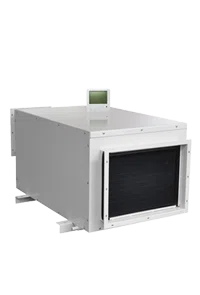
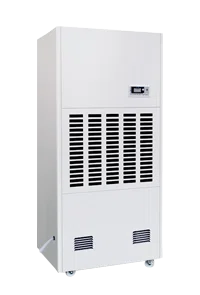
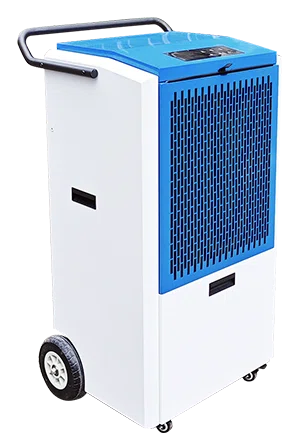
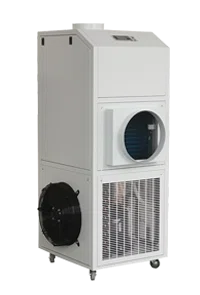
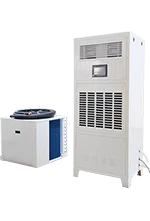
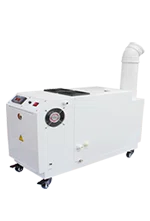
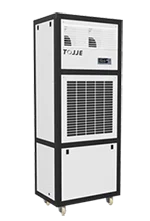
How Attemperation Dehumidifiers Support Battery Manufacturing Environments
The rapid growth of electric vehicles, energy storage systems, and portable electronics has increased demand for high-performance batteries. To ensure battery reliability, safety, and long service life, manufacturers must maintain strict environmental conditions throughout production.
Among all environmental factors, humidity control is especially critical. Excess moisture can negatively affect battery materials, chemical reactions, and manufacturing consistency. Attemperation dehumidifiers provide an effective solution by combining precise dehumidification with temperature regulation, creating stable production environments for modern battery factories.
Why Humidity Control Is Critical in Battery Production
Battery manufacturing involves highly sensitive materials and processes that require controlled atmospheric conditions.
Lithium-ion battery production, for example, uses moisture-sensitive materials such as:
-
Lithium salts
-
Electrolytes
-
Electrode materials
-
Separators
-
Metal foils
When humidity levels become too high, moisture can react with battery components and cause problems such as:
-
Reduced battery performance
-
Increased internal resistance
-
Shortened battery lifespan
-
Safety risks caused by chemical instability
Attemperation dehumidifiers help maintain low and stable humidity levels to protect sensitive battery production processes.
Supporting Lithium Battery Dry Room Applications
Battery dry rooms require extremely low humidity environments, especially during electrode manufacturing and cell assembly.
Attemperation dehumidifiers support dry room operations by providing:
-
Continuous moisture removal
-
Stable temperature management
-
Reliable air circulation
-
Improved process consistency
Maintaining proper dry room conditions helps prevent moisture contamination and ensures better battery quality.
Improving Battery Production Quality and Reliability
Environmental stability directly affects battery manufacturing performance.
By maintaining controlled humidity and temperature levels, attemperation dehumidifiers help manufacturers achieve:
Better Material Stability
Dry environments protect electrode materials and electrolytes from unwanted moisture exposure.
Consistent Manufacturing Processes
Stable conditions reduce variations during coating, assembly, and testing procedures.
Higher Product Reliability
Improved environmental control contributes to longer battery lifespan and safer operation.
Enhancing Safety in Battery Manufacturing Facilities
Battery production involves chemical materials that require careful handling. Poor humidity management may increase production risks.
Attemperation dehumidifiers contribute to safer operations by:
-
Reducing moisture-related chemical reactions
-
Preventing condensation on equipment surfaces
-
Maintaining controlled production conditions
-
Protecting sensitive manufacturing equipment
A stable environment supports safer and more reliable battery production.
Increasing Energy Efficiency in Battery Factories
Battery manufacturing facilities often operate continuously, making energy consumption a major concern.
Modern attemperation dehumidifiers improve efficiency through:
Precise Humidity Control
The system removes only the required amount of moisture, avoiding unnecessary energy usage.
Intelligent Operation
Advanced sensors and controls adjust performance according to real-time environmental conditions.
Optimized HVAC Integration
Attemperation systems can work together with existing climate control equipment to improve overall efficiency.
These advantages help battery manufacturers reduce operating costs while maintaining strict environmental requirements.
Applications of Attemperation Dehumidifiers Across Battery Production Stages
Attemperation dehumidification technology can be applied throughout different battery manufacturing processes, including:
Electrode Manufacturing
Maintaining proper humidity conditions during material mixing and coating.
Cell Assembly
Preventing moisture contamination during sensitive assembly operations.
Battery Testing Areas
Creating stable environments for accurate performance evaluation.
Energy Storage Battery Production
Supporting large-scale battery systems with reliable climate control.
Attemperation dehumidifiers play an essential role in modern battery manufacturing by providing precise humidity and temperature control. From lithium-ion battery dry rooms to large-scale energy storage production lines, these systems help protect sensitive materials, improve product quality, enhance safety, and optimize energy efficiency.
As global demand for batteries continues to grow, advanced dehumidification solutions will remain a key technology for building reliable, efficient, and sustainable battery manufacturing environments.