
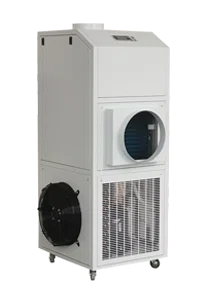
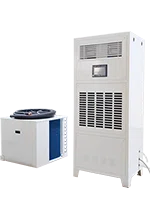
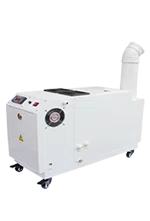
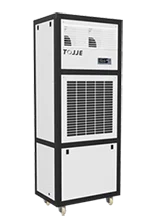
How Basement Dehumidifiers Protect Furniture and Electronics
Basements provide valuable extra space for storage, entertainment, home offices, and equipment rooms. However, they are also more likely to experience high humidity, condensation, and poor air circulation than other areas of a home. Over time, excess moisture can damage wooden furniture, corrode electronic components, encourage mold growth, and shorten the lifespan of valuable belongings.
A basement dehumidifier offers an effective way to manage indoor humidity and create a more stable storage environment. By removing excess moisture from the air, it helps protect furniture, electronics, and other household items from humidity-related damage.
How Basement Dehumidifiers Protect Wooden Furniture
Wood is a natural material that responds to changes in moisture levels. When exposed to excessive humidity, it absorbs water from the surrounding air. This can cause wooden furniture, cabinets, shelves, and flooring to expand.
Over time, repeated changes in moisture content may lead to:
-
Swollen cabinet doors and drawers
-
Warped tabletops and wooden panels
-
Loose joints and weakened furniture structures
-
Peeling finishes and damaged coatings
-
Mold growth on wooden surfaces
A basement dehumidifier helps reduce excessive moisture in the air, making the surrounding environment more stable.
For example, wooden furniture stored in a damp basement may gradually absorb moisture even when there is no visible water leakage. Maintaining a suitable indoor humidity level can help reduce this risk.
However, humidity control cannot repair existing structural damage or prevent every type of wood deterioration. Proper furniture placement, ventilation, and leak prevention are also important.
How Dehumidifiers Help Protect Electronic Equipment
Electronics are particularly sensitive to moisture because many devices contain metal contacts, circuit boards, connectors, and other components that can deteriorate when exposed to damp conditions.
Common electronic equipment stored or used in basements includes:
-
Desktop computers and servers
-
Televisions and audio systems
-
Gaming consoles
-
Network equipment and routers
-
Cameras and photography accessories
-
Power tools and electronic instruments
High humidity can increase the risk of condensation, oxidation, and corrosion, especially when temperatures fluctuate.
A basement dehumidifier helps by reducing excess water vapor in the surrounding air. This can lower the likelihood of moisture-related problems and support a more stable environment for electronic equipment.
For additional protection, homeowners should avoid placing electronics directly on basement floors or against damp walls. Sensitive devices should also be stored in suitable enclosures when they are not in use.
It is important to remember that a dehumidifier does not make electronic equipment waterproof. Direct water exposure, flooding, and condensation inside improperly stored devices require separate precautions.
Maintaining the Right Humidity Level in Your Basement
Choosing an appropriate humidity target is essential for protecting furniture and electronics.
For many residential basements, a relative humidity level of approximately 40%–50% is a practical target. Keeping indoor relative humidity below 60% is generally recommended to help limit mold growth, although the ideal setting depends on the climate, building conditions, and stored materials.
A built-in humidistat makes humidity management easier. Instead of running continuously, the dehumidifier can monitor the surrounding air and operate when humidity rises above the selected setting.
Some models also offer digital humidity displays, automatic restart, timer functions, and adjustable fan speeds.
These features help users maintain more consistent humidity conditions without constantly adjusting the machine manually.
Important Features to Look for in a Basement Dehumidifier
Not every dehumidifier is suitable for every basement. The right model should match the room size, moisture level, operating conditions, and drainage requirements.
Here are several features worth considering.
High Moisture Removal Capacity
A basement with persistent dampness or a large floor area may require a higher-capacity dehumidifier.
Capacity is commonly expressed in pints or liters of moisture removed per day under specified test conditions. When comparing products, buyers should check the testing conditions and ensure that the rated capacity matches their actual needs.
Built-In Humidistat
A humidistat monitors relative humidity and helps the machine maintain the selected setting automatically.
This is particularly useful when protecting furniture, musical instruments, electronics, and other items that benefit from a relatively stable indoor environment.
Continuous Drainage
A continuous drainage system allows collected water to flow through a hose into a suitable drain.
This reduces the need to empty the water tank manually and is especially convenient for basements where the dehumidifier operates for extended periods.
Some models include a built-in pump, allowing water to be discharged upward or over a longer distance when gravity drainage is not practical.
Low-Temperature Operation
Basements can remain cool throughout the year. Some compressor-based dehumidifiers may experience reduced performance or frost buildup when operating at low temperatures.
Buyers should check the manufacturer's specified operating temperature range and defrost features before purchasing.
Automatic Defrost and Restart
Automatic defrost helps manage frost buildup on the evaporator under suitable operating conditions. Automatic restart allows the unit to resume operation after a power interruption, depending on the model.
These functions can improve convenience for basement applications.
Energy Efficiency
A basement dehumidifier may operate for many hours, particularly during humid seasons. Energy consumption is therefore an important purchasing consideration.
Look for clearly stated power consumption, efficiency information, and operating specifications rather than relying only on marketing claims.
Where Should You Place a Basement Dehumidifier?
Proper placement helps improve airflow and moisture removal.
For better performance, consider the following tips:
-
Choose an open location. Avoid placing the unit in a tightly enclosed corner.
-
Maintain sufficient clearance. Follow the manufacturer's recommended distance from walls and surrounding objects.
-
Keep it away from direct water exposure. Do not place the unit where flooding or leaks may reach its electrical components.
-
Avoid blocking air inlets and outlets. Furniture, boxes, and curtains should not obstruct airflow.
-
Place it near the main moisture problem area. This can help address localized humidity, provided the airflow requirements are met.
-
Use a suitable drainage arrangement. Ensure that the hose is correctly installed and that discharged water can flow safely.
For large basements with multiple rooms, one portable dehumidifier may not provide uniform humidity control throughout the entire space. Additional units or a properly designed whole-area solution may be necessary.
High humidity can gradually damage wooden furniture, electronic equipment, and other valuable belongings stored in basements. A properly selected basement dehumidifier helps control excess moisture, reduce the risk of condensation-related problems, and maintain a more stable indoor environment.
From built-in humidistats and continuous drainage to energy-efficient operation and automatic defrost, the right product features can make basement moisture management easier and more effective.
Whether you are a homeowner looking to protect valuable possessions or a distributor sourcing reliable dehumidification products, understanding basement humidity control is the first step toward making a better decision.