
How Ceiling Mounted Dehumidifiers Improve Storage Conditions
Maintaining proper storage conditions is essential for protecting valuable products, equipment, raw materials, and archived documents. Excess humidity can cause a wide range of problems, including mold growth, corrosion, product deterioration, and reduced inventory lifespan. For warehouses, storage facilities, distribution centers, archives, and specialized storage environments, effective moisture control is critical.
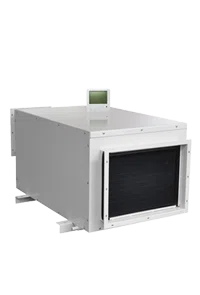
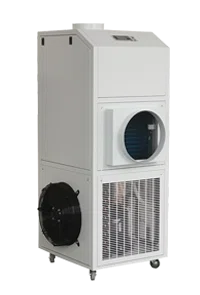
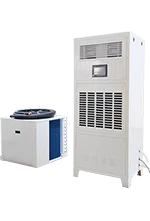
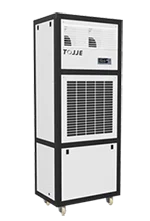
One of the most efficient solutions for managing humidity in storage spaces is the ceiling mounted dehumidifier. By providing continuous moisture removal while maximizing floor space, ceiling mounted dehumidifiers help create stable storage environments that preserve product quality and reduce operational risks.
How Excess Humidity Impacts Stored Goods
Damage to Paper and Documents
Archives, libraries, and record storage facilities are highly sensitive to moisture fluctuations.
Excess humidity can cause:
-
Paper deterioration
-
Ink fading
-
Mold contamination
-
Document deformation
Stable humidity levels help preserve important records and historical materials.
Corrosion of Metal Products
Metal inventory and machinery components are particularly vulnerable to moisture.
High humidity may lead to:
-
Rust formation
-
Surface oxidation
-
Structural degradation
-
Reduced product lifespan
Effective dehumidification minimizes corrosion-related losses.
Packaging Degradation
Cardboard, paper packaging, and labeling materials can absorb moisture, resulting in:
-
Weakened packaging strength
-
Product contamination risks
-
Damaged labels and barcodes
-
Reduced storage efficiency
Humidity control helps maintain packaging quality throughout storage periods.
Product Spoilage
Certain products require controlled environmental conditions to maintain quality, including:
-
Food products
-
Pharmaceuticals
-
Chemicals
-
Textiles
-
Electronics
Ceiling mounted dehumidifiers help protect sensitive inventory from moisture-related damage.
Benefits of Ceiling Mounted Dehumidifiers in Storage Facilities
Maximizing Storage Space
Floor space is valuable in warehouses and storage facilities.
Because ceiling mounted dehumidifiers are installed overhead, they:
-
Preserve storage capacity
-
Eliminate floor obstructions
-
Improve equipment accessibility
-
Support efficient warehouse layouts
This makes them particularly attractive for facilities with limited available space.
Consistent Humidity Control
Portable units often create localized moisture control zones.
Ceiling mounted systems provide:
-
Even air distribution
-
Uniform humidity levels
-
Continuous moisture removal
-
Better environmental stability
Consistent conditions are essential for protecting stored inventory.
Improved Air Quality
Excess humidity encourages the growth of mold, mildew, and airborne contaminants.
By controlling moisture levels, ceiling mounted dehumidifiers help:
-
Reduce microbial growth
-
Improve indoor air quality
-
Protect workers and inventory
-
Maintain cleaner storage environments
Lower Risk of Inventory Loss
Humidity-related damage can lead to significant financial losses.
Proper dehumidification helps:
-
Preserve product quality
-
Extend shelf life
-
Reduce waste
-
Improve inventory reliability
These benefits contribute directly to operational profitability.
Applications in Various Storage Environments
Warehouses and Distribution Centers
Large storage facilities often experience humidity fluctuations due to changing weather conditions and frequent door openings.
Ceiling mounted dehumidifiers help maintain stable conditions for:
-
Consumer goods
-
Industrial materials
-
Packaging supplies
-
Finished products
Archive and Record Storage
Government agencies, libraries, and corporations rely on humidity control to preserve important documents and records.
Maintaining appropriate humidity levels reduces long-term deterioration risks.
Pharmaceutical Storage
Pharmaceutical products frequently require strict environmental control.
Ceiling mounted systems help ensure:
-
Regulatory compliance
-
Product stability
-
Safe storage conditions
Electronics Storage
Electronic components are highly sensitive to moisture exposure.
Humidity control helps prevent:
-
Corrosion
-
Condensation
-
Electrical failures
-
Reduced component reliability
Food Storage Facilities
Food products often require carefully controlled storage environments.
Proper humidity management helps maintain:
-
Product freshness
-
Packaging integrity
-
Regulatory standards
-
Inventory quality
Energy Efficiency Advantages
Reduced HVAC Workload
Excess humidity forces HVAC systems to work harder to maintain comfortable indoor conditions.
Ceiling mounted dehumidifiers reduce moisture levels, helping HVAC systems operate more efficiently.
Lower Energy Consumption
Modern ceiling mounted dehumidifiers incorporate:
-
High-efficiency compressors
-
Smart humidity controls
-
Energy-saving operation modes
These features help reduce operating costs while maintaining environmental stability.
Long-Term Cost Savings
Effective moisture management helps organizations avoid:
-
Inventory losses
-
Product replacement costs
-
Mold remediation expenses
-
Equipment repair costs
The result is a strong return on investment over the system's lifespan.
Smart Control and Automation Features
Many modern ceiling mounted dehumidifiers include advanced monitoring and automation capabilities.
Features may include:
Digital Humidity Monitoring
Real-time tracking allows operators to maintain optimal environmental conditions.
Automatic Humidity Control
Systems can automatically adjust operation based on current humidity levels.
Remote Monitorin
Facility managers can monitor performance remotely through building management systems or mobile platforms.
HVAC Integration
Integrated operation improves overall climate control efficiency and building performance.
Humidity control plays a critical role in protecting stored goods, maintaining product quality, and reducing operational risks. Ceiling mounted dehumidifiers provide an efficient, space-saving solution for managing moisture levels in warehouses, archives, distribution centers, pharmaceutical facilities, and other storage environments.