
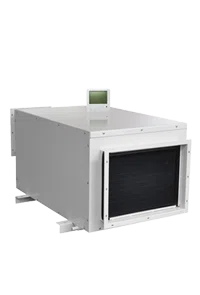
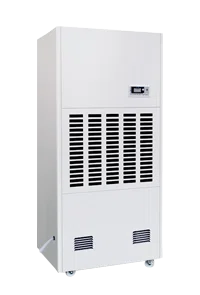
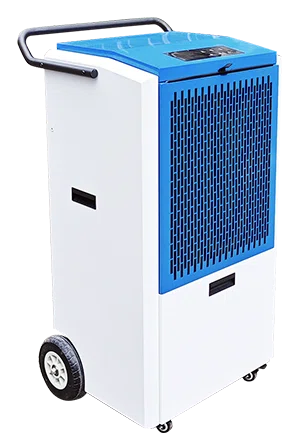
Inside a Competition Natatorium: Swimming Pool Dehumidifier Control Under Load
A competition natatorium is a demanding indoor environment. Large volumes of warm pool water continuously release moisture into the air, while swimmers, spectators, doors, ventilation systems, and outdoor weather conditions can cause humidity levels to change throughout the day.
Under these conditions, a swimming pool dehumidifier does much more than simply remove moisture. It becomes an important part of the building's overall environmental control system.
For competition facilities, effective humidity management must continue even when the pool is operating at full capacity. Understanding how a dehumidification system responds under load can help facility operators maintain comfortable conditions while protecting the building and equipment from moisture-related problems.
Maintaining Stable Indoor Humidity
One of the primary objectives of natatorium humidity control is maintaining a stable indoor environment.
Excessive humidity can contribute to:
-
Condensation on windows and structural surfaces
-
Corrosion of metal components
-
Moisture damage to building materials
-
Uncomfortable conditions for occupants
-
Mold and microbial growth risks
-
Reduced durability of equipment
By controlling moisture levels, a dehumidification system helps create a more consistent environment for both swimmers and spectators.
Dehumidification and Condensation Prevention
Condensation is one of the most important moisture-related concerns in an indoor swimming pool.
Warm, humid air can come into contact with cooler surfaces such as windows, doors, walls, structural components, and metal equipment. If surface temperatures fall below the dew point, water can condense on those surfaces.
A properly designed natatorium humidity control system helps reduce this risk by managing indoor humidity and maintaining appropriate air conditions.
In competition facilities, this becomes particularly important because large glass surfaces and architectural features may be exposed to humid pool air for long periods.
Air Distribution Matters Alongside Dehumidification
Removing moisture from the air is only part of the solution.
Air must also be distributed effectively throughout the natatorium. Poor air circulation can create localized areas of high humidity even when the average room humidity appears acceptable.
Proper air distribution can help direct conditioned air toward areas that are more vulnerable to condensation.
For example, air may need to be carefully distributed around:
-
Large windows
-
Exterior walls
-
Spectator areas
-
Pool deck areas
-
High-ceiling spaces
The exact air distribution strategy depends on the building's architecture and HVAC design.
Managing Humidity During Swimming Competitions
Competition days can create operating conditions that differ significantly from normal recreational use.
A facility may experience:
-
Increased swimmer activity
-
Higher spectator occupancy
-
More frequent door opening
-
Increased ventilation requirements
-
Changing outdoor weather conditions
-
Longer continuous operating periods
The swimming pool dehumidifier therefore needs to operate as part of a coordinated HVAC strategy.
Rather than considering dehumidification as an isolated piece of equipment, facility managers should evaluate how it interacts with ventilation, heating, air circulation, and pool water conditions.
Energy Efficiency Under Variable Loads
Operating a large natatorium continuously can consume considerable energy. Running dehumidification equipment at maximum capacity regardless of actual conditions may result in unnecessary energy use.
Load-responsive control provides another approach.
When moisture loads are lower, the system can reduce its dehumidification demand. When humidity begins to rise, the system can increase capacity as needed.
This type of variable operation can help balance:
Humidity control + occupant comfort + building protection + energy management
The specific energy performance of a system depends on equipment design, climate, pool conditions, building characteristics, and control strategy.
Heat Recovery in Natatorium Dehumidification
Some swimming pool dehumidification systems can recover heat generated during the dehumidification process.
Instead of treating removed heat as waste, the system may redirect available heat toward applications such as:
-
Pool water heating
-
Indoor air heating
-
Domestic hot water
-
Other building heating requirements
Heat recovery can be particularly relevant in facilities where both moisture removal and heating are required at the same time.
Inside a competition natatorium, humidity control becomes especially challenging when the facility is under heavy operating loads. Increased swimmer activity, spectator occupancy, ventilation changes, and door opening can all influence the indoor moisture balance.
A properly designed swimming pool dehumidifier can help manage these changing conditions while supporting condensation prevention, occupant comfort, equipment protection, and efficient facility operation.
For competition facilities, the goal is not simply to remove as much moisture as possible. Effective natatorium climate control requires the right combination of dehumidification capacity, responsive controls, air distribution, ventilation, heat recovery, and ongoing monitoring.