
Maintaining Dry Conditions in Food Processing Facilities with Hand Push Dehumidifiers
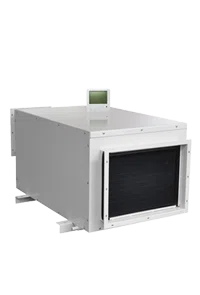
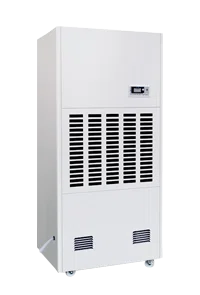
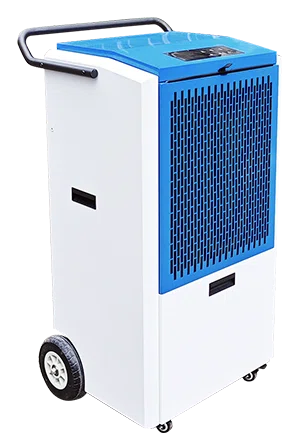
Humidity control is one of the most important aspects of food processing. Excess moisture can encourage mold growth, bacterial contamination, equipment corrosion, and product spoilage, all of which threaten food quality and operational efficiency. While permanent dehumidification systems are common in large factories, hand push dehumidifiers provide a flexible and cost-effective solution for localized humidity control.
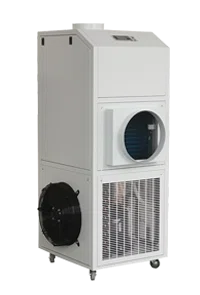
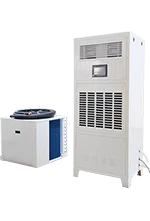
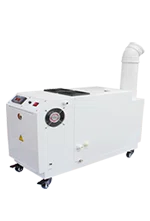
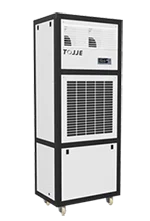
Designed with mobility in mind, these portable units can be quickly moved to different production areas, making them ideal for temporary moisture problems, seasonal humidity fluctuations, or targeted drying applications.
Benefits of Using Hand Push Dehumidifiers in Food Processing Facilities
Flexible Moisture Control
Unlike fixed HVAC systems, portable units can be positioned exactly where humidity levels rise.
This flexibility allows operators to respond quickly to changing production conditions.
Improved Food Safety
Lower humidity reduces the likelihood of:
-
Mold growth
-
Bacterial proliferation
-
Airborne contamination
-
Condensation dripping onto food products
A cleaner environment supports higher food safety standards.
Better Product Quality
Humidity control protects food products by preventing:
-
Moisture absorption
-
Texture changes
-
Product sticking
-
Packaging deformation
-
Reduced shelf life
Consistent environmental conditions contribute to reliable production quality.
Equipment Protection
Moisture accelerates corrosion and electrical failures.
Using hand push dehumidifiers helps protect:
-
Stainless steel machinery
-
Electrical control cabinets
-
Conveyors
-
Packaging equipment
-
Sensors
-
Automated production systems
Lower maintenance costs often result from reduced moisture exposure.
Enhanced Employee Safety
Dry floors reduce slip hazards, while lower humidity creates a more comfortable working environment for employees.
Improved visibility from reduced condensation also contributes to safer operations.
Applications Throughout Food Processing Facilities
Hand push dehumidifiers are suitable for many operational areas, including:
Food Preparation Rooms
Control humidity during washing, slicing, mixing, and preparation.
Baking Facilities
Reduce moisture buildup around ovens and cooling racks.
Meat and Seafood Processing
Manage condensation in cold processing environments.
Dairy Plants
Minimize moisture generated during pasteurization and cleaning.
Beverage Production
Control humidity around bottling and filling lines.
Frozen Food Production
Reduce condensation near freezer entrances.
Packaging Departments
Maintain stable conditions for cartons, labels, and wrapping materials.
Warehouses
Protect finished products awaiting distribution.
Energy Efficiency Benefits
Modern hand push dehumidifiers incorporate energy-saving technologies such as:
-
Intelligent humidity sensors
-
Automatic compressor cycling
-
High-efficiency refrigeration systems
-
Low-power fan motors
-
Programmable operating modes
These features reduce operating costs while maintaining effective humidity control.
Supporting Regulatory Compliance
Food manufacturers must maintain hygienic production environments that support quality assurance programs.
Effective humidity management helps facilities:
-
Reduce contamination risks
-
Maintain clean production areas
-
Protect stored ingredients
-
Preserve packaging quality
-
Improve environmental consistency during production
Portable dehumidifiers complement broader environmental control strategies and can support compliance with facility hygiene and quality management requirements.
Maintaining proper humidity levels is essential for ensuring food safety, preserving product quality, protecting valuable equipment, and creating a safer workplace. Hand push dehumidifiers offer a practical, flexible, and energy-efficient solution for localized moisture control across food processing facilities. Whether used in preparation rooms, packaging areas, warehouses, or sanitation zones, these mobile systems enable manufacturers to respond quickly to changing environmental conditions while supporting efficient, reliable, and high-quality food production.