
Reducing Condensation in Food Manufacturing with Industrial Dehumidifiers
Condensation is a persistent challenge in food manufacturing facilities. Excess moisture in the air can accumulate on ceilings, walls, equipment, pipelines, and production surfaces, creating conditions that threaten product quality, food safety, operational efficiency, and regulatory compliance. For food processors, controlling humidity is just as important as controlling temperature.
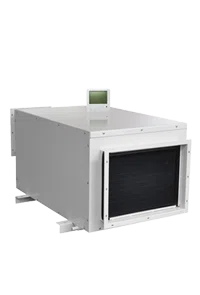
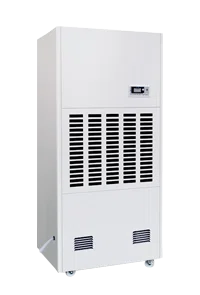
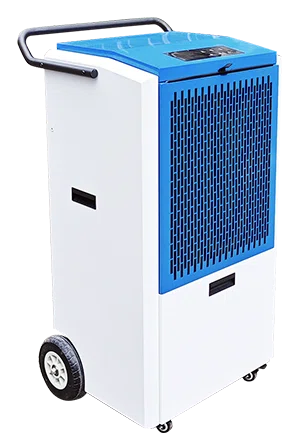
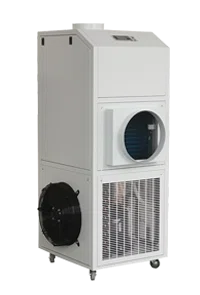
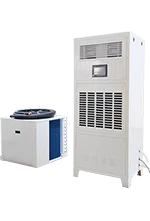
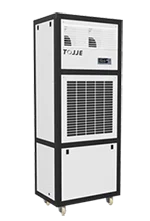
One of the most effective ways to combat condensation is through the use of industrial dehumidifiers. These systems help maintain optimal humidity levels, prevent moisture-related issues, and create a stable production environment that supports consistent product quality and safe food processing operations.
How Industrial Dehumidifiers Reduce Condensation
Controlling Relative Humidity
Industrial dehumidifiers remove excess moisture from the air, maintaining humidity levels within a controlled range. By reducing the amount of water vapor present, the likelihood of condensation forming on cooler surfaces is significantly decreased.
Benefits include:
-
Stable environmental conditions
-
Reduced moisture accumulation
-
Improved process consistency
-
Enhanced operational reliability
Preventing Moisture Migration
In large manufacturing facilities, moisture can travel between different production zones. Industrial dehumidification systems help control air conditions throughout the facility, minimizing humidity transfer between warm and cold areas.
This is particularly important in facilities that combine cooking, cooling, packaging, and storage operations under one roof.
Supporting Temperature-Controlled Areas
Cold rooms, freezers, and refrigerated processing areas are especially vulnerable to condensation. Industrial dehumidifiers help manage moisture levels before air enters these environments, reducing frost buildup and surface condensation.
Key Benefits of Industrial Dehumidifiers in Food Manufacturing
Improved Food Safety
Maintaining lower humidity levels reduces conditions that support microbial growth. By minimizing condensation, manufacturers can strengthen sanitation programs and support food safety objectives.
Advantages include:
-
Reduced contamination risks
-
Cleaner production environments
-
Enhanced hygiene control
-
Better compliance with food safety standards
Enhanced Product Quality
Consistent humidity control helps preserve product characteristics such as:
-
Texture
-
Appearance
-
Flavor
-
Moisture content
-
Shelf life
Food manufacturers can achieve more consistent production outcomes while reducing waste and product losses.
Reduced Equipment Corrosion
Moisture is one of the leading causes of corrosion in food processing equipment. Industrial dehumidifiers help protect:
-
Conveyors
-
Mixers
-
Packaging machines
-
Stainless steel equipment
-
Electrical control systems
This extends equipment lifespan and lowers maintenance costs.
Lower Cleaning and Maintenance Requirements
Facilities experiencing frequent condensation often require additional cleaning and maintenance efforts. By controlling humidity, businesses can reduce:
-
Water accumulation
-
Surface cleaning frequency
-
Mold remediation costs
-
Equipment repairs
The result is improved operational efficiency and reduced labor expenses.
Applications in Food Manufacturing Facilities
Bakery Production
Bakeries generate significant amounts of heat and moisture during mixing, proofing, baking, and cooling processes.
Industrial dehumidifiers help:
-
Prevent condensation on ceilings and walls
-
Maintain ingredient quality
-
Improve packaging conditions
-
Reduce spoilage risks
Dairy Processing
Milk, cheese, yogurt, and other dairy products require carefully controlled environments.
Dehumidification supports:
-
Hygienic processing conditions
-
Reduced moisture accumulation
-
Improved refrigeration performance
-
Enhanced product consistency
Meat and Poultry Processing
Meat processing facilities often operate under challenging temperature and humidity conditions.
Industrial dehumidifiers help reduce:
-
Surface condensation
-
Ice formation
-
Equipment corrosion
-
Sanitation concerns
Snack and Confectionery Production
Many snack foods and confectionery products are highly sensitive to moisture exposure.
Proper humidity control helps maintain:
-
Crispness
-
Product appearance
-
Packaging integrity
-
Product shelf life
Energy Efficiency and Cost Savings
Modern industrial dehumidifiers are designed to provide effective moisture control while optimizing energy consumption.
Potential cost-saving benefits include:
-
Reduced product waste
-
Lower maintenance costs
-
Improved refrigeration efficiency
-
Less equipment downtime
-
Extended asset lifespan
Over time, these savings can significantly offset the initial investment in dehumidification equipment.
Regulatory Compliance and Food Safety Standards
Food manufacturers must comply with strict industry regulations and quality management systems. Effective humidity control supports compliance with various food safety programs by helping maintain clean, controlled production environments.
Dehumidification can contribute to:
-
Improved environmental monitoring
-
Better sanitation management
-
Enhanced audit readiness
-
Consistent production standards
Condensation can create significant challenges for food manufacturers, affecting food safety, product quality, equipment reliability, and operational efficiency. Implementing industrial dehumidifiers provides an effective solution for controlling humidity and reducing moisture-related risks throughout the production process.
By maintaining optimal environmental conditions, industrial dehumidification systems help food manufacturers improve product consistency, protect valuable equipment, reduce maintenance costs, and support regulatory compliance. As the food industry continues to prioritize quality and efficiency, industrial dehumidifiers remain an essential investment for modern food manufacturing facilities.