
Reducing Moisture Risks in Chemical Warehouses with Industrial Dehumidifiers
Chemical warehouses require carefully controlled storage conditions to protect chemicals, raw materials, packaging, and equipment. Among the environmental factors that need close attention, excessive humidity can create significant operational and material risks. Moisture may cause condensation, corrosion, packaging deterioration, chemical degradation, and other storage problems.
Industrial dehumidifiers provide an effective way to manage excessive moisture and maintain a more stable warehouse environment. By continuously removing water vapor from the air, industrial dehumidification systems can help chemical warehouses reduce moisture-related risks and improve storage reliability.
How Industrial Dehumidifiers Reduce Moisture Risks
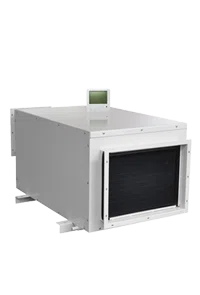
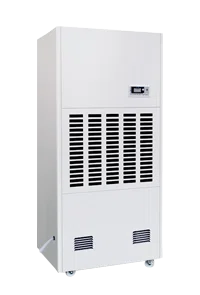
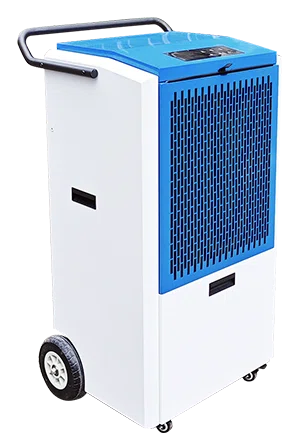
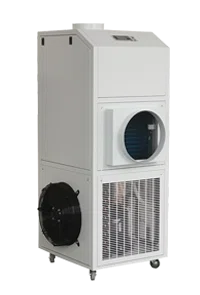
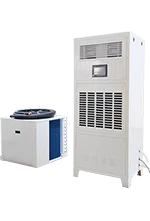
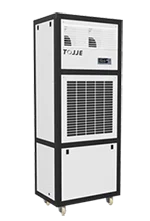
Industrial dehumidifiers are designed to remove excess water vapor from large indoor environments. Depending on the system design, they can use refrigeration-based or desiccant dehumidification technologies to achieve the required humidity level.
A properly selected system can help maintain consistent humidity throughout a warehouse rather than relying only on ventilation or temporary moisture control.
Controlling Relative Humidity
Maintaining an appropriate relative humidity level is one of the most important functions of an industrial dehumidifier. Continuous moisture removal helps prevent humidity from reaching levels that may negatively affect stored chemicals and materials.
Stable humidity conditions are particularly important when warehouse doors are frequently opened or when outdoor air introduces additional moisture.
Reducing Condensation
Condensation occurs when humid air comes into contact with surfaces that are below the air's dew point. In chemical warehouses, condensation can appear on metal tanks, pipes, machinery, storage racks, and other surfaces.
Industrial dehumidifiers can reduce the amount of moisture available in the air, helping lower the potential for condensation under suitable operating conditions.
Protecting Metal Equipment from Corrosion
Chemical warehouses commonly use metal storage tanks, shelving systems, pipelines, containers, and material-handling equipment. Persistent moisture can accelerate corrosion, particularly when combined with corrosive chemicals or contaminants.
By reducing airborne moisture, industrial dehumidifiers can support a drier storage environment and help limit one of the environmental factors contributing to corrosion.
This can be especially useful in facilities where equipment must remain operational for long periods with minimal maintenance interruptions.
Protecting Moisture-Sensitive Chemicals and Materials
Some chemicals and raw materials can absorb moisture from the surrounding air. Hygroscopic materials may experience changes in physical properties when exposed to excessive humidity.
For example, moisture can contribute to:
-
Powder agglomeration
-
Changes in material flowability
-
Packaging problems
-
Reduced storage stability
-
Difficulties during subsequent processing
Industrial dehumidification can help create more controlled storage conditions and reduce unnecessary exposure to atmospheric moisture.
Preventing Packaging Deterioration
Packaging plays an important role in chemical storage. Bags, cartons, paper-based materials, labels, and other packaging components can be affected by high humidity.
Excessive moisture may weaken paper-based packaging, affect labels, or reduce the mechanical performance of certain materials.
A controlled warehouse environment helps protect packaging integrity and makes stored products easier to identify, handle, and transport.
Maintenance for Reliable Dehumidification
Regular maintenance helps industrial dehumidifiers maintain stable performance over time. Filters, drainage systems, fans, heat exchangers, and other components should be inspected according to the equipment manufacturer's recommendations.
Routine maintenance can help:
-
Maintain airflow
-
Prevent unnecessary energy consumption
-
Reduce performance losses
-
Identify component problems early
-
Extend equipment service life
Humidity sensors should also be checked periodically to ensure that the control system is receiving accurate environmental information.
Combining Dehumidification with Humidity Monitoring
Industrial dehumidifiers become more effective when combined with continuous humidity monitoring. Sensors can provide real-time information about relative humidity and allow the control system to respond to changing conditions.
For larger chemical warehouses, strategically positioned sensors can help identify areas with different humidity conditions. This information can support better equipment control and improve overall environmental management.
Excessive humidity can create multiple risks in chemical warehouses, from condensation and corrosion to packaging deterioration and moisture absorption. Industrial dehumidifiers provide an active solution for controlling airborne moisture and maintaining more stable storage conditions.
By selecting the right dehumidification capacity, considering moisture loads and operating temperatures, and combining dehumidification with humidity monitoring and preventive maintenance, chemical warehouses can create a more reliable environment for protecting chemicals, raw materials, equipment, and packaging.