
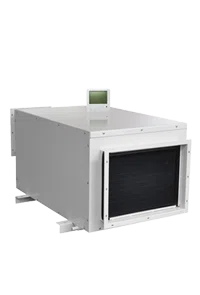
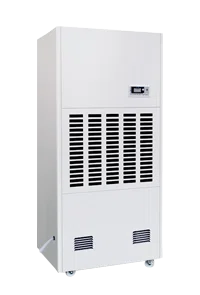
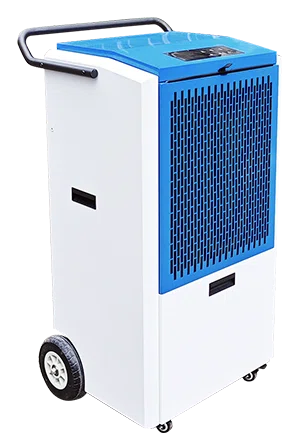
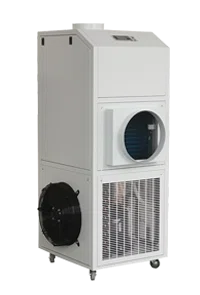
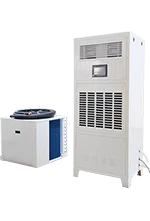
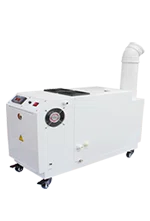
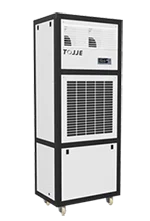
Spa and Wellness Centers: Swimming Pool Dehumidifier in Small Footprint Rooms
Spa and wellness centers often create relaxing environments with heated swimming pools, hydrotherapy pools, hot tubs, and treatment areas. However, warm water in a compact indoor room can quickly increase humidity levels.
For facilities with limited floor space, installing a suitable swimming pool dehumidifier can be challenging. The equipment needs to control moisture effectively without taking up valuable space or disrupting the customer experience.
A compact and properly selected dehumidification system can help maintain a comfortable indoor climate while protecting the building and equipment from excessive moisture.
Space Is a Key Factor in Dehumidifier Selection
A conventional industrial dehumidifier may provide sufficient moisture removal but require more installation space than a small wellness center can afford.
Spa operators should consider the physical dimensions of the equipment as well as its moisture-removal capacity.
Important factors include:
-
Equipment footprint
-
Installation height
-
Air inlet and outlet locations
-
Required service clearance
-
Drainage connections
-
Electrical requirements
-
Noise level
-
Maintenance accessibility
A compact swimming pool dehumidifier can be particularly useful where mechanical rooms, corridors, or equipment areas are limited.
Match Dehumidification Capacity to the Pool Environment
Choosing a dehumidifier based only on room size may result in poor humidity control.
The moisture load of a spa room depends on several variables, including:
-
Pool water surface area
-
Water temperature
-
Indoor air temperature
-
Target relative humidity
-
Number of bathers
-
Frequency of pool use
-
Outdoor air exchange
-
Presence of hot tubs or therapy pools
For example, a small room containing a heated hydrotherapy pool may generate more moisture than a larger room with a cooler swimming pool.
Therefore, the dehumidification system should be selected according to the actual moisture load rather than floor area alone.
Compact Installation Options for Wellness Facilities
Small-footprint spa rooms can benefit from flexible installation configurations.
Depending on the building layout, a dehumidifier may be installed in a utility room, equipment area, ceiling space, or another dedicated location with suitable airflow.
Ducted configurations can also help keep equipment away from guest areas. Air can be distributed through properly designed supply and return ducts while the main unit remains in a less visible location.
For facilities where equipment must remain close to the pool, a compact standalone configuration may be more practical.
Maintaining Comfortable Indoor Humidity
Humidity control is not only about protecting the building. It also affects the comfort of spa guests.
Excessively humid air can feel warmer and less comfortable, while insufficient humidity control can contribute to condensation on cold surfaces.
A swimming pool dehumidifier can continuously remove moisture from the indoor air and help maintain a more stable relative humidity level.
This is particularly important in wellness facilities where guests may spend extended periods in the pool or surrounding relaxation areas.
Protecting Walls, Ceilings, and Interior Finishes
Condensation is one of the most visible consequences of poor humidity management.
When warm, humid air contacts a colder surface, water vapor can condense. Repeated condensation may damage paint, wall coverings, ceiling materials, insulation, and other interior finishes.
In a high-end spa environment, maintaining the appearance of the facility is particularly important.
Effective humidity control can reduce the moisture exposure of these surfaces and support longer-lasting interior finishes.
Dehumidification and Ventilation Work Together
A swimming pool dehumidifier does not necessarily replace the need for ventilation.
Fresh-air ventilation may be required to manage indoor air quality, while dehumidification focuses primarily on controlling moisture.
A well-designed HVAC strategy can coordinate both systems.
For example, the ventilation system can introduce the required amount of outdoor air while the dehumidifier removes excess moisture generated by the pool.
This approach can be especially useful in compact wellness centers where uncontrolled ventilation may increase energy consumption.
Energy Efficiency in Small Spa Facilities
Energy consumption is another important consideration for spa operators.
Continuously removing moisture and conditioning indoor air can require significant energy. A properly designed dehumidification system can help improve operating efficiency by managing moisture directly instead of relying entirely on excessive ventilation.
Some swimming pool dehumidification systems can also recover or reuse heat generated during the dehumidification process.
This can provide an opportunity to support pool-water or indoor-air heating while reducing wasted energy.
The actual energy performance depends on equipment design, operating conditions, climate, and system configuration.
Noise Control Is Important in Wellness Environments
Spas and wellness centers typically emphasize quiet and relaxing surroundings.
A dehumidifier that generates excessive noise may negatively affect the guest experience, particularly when installed close to treatment rooms or relaxation areas.
When selecting equipment, operators should consider:
-
Fan noise
-
Compressor noise
-
Vibration
-
Installation location
-
Duct design
-
Acoustic insulation
Locating the unit in a dedicated mechanical area can also help separate equipment noise from guest spaces.
Smart Humidity Monitoring
Modern spa facilities can combine dehumidification equipment with digital humidity monitoring.
Sensors can measure indoor temperature and relative humidity and provide feedback to the control system. The dehumidifier can then adjust operation according to changing conditions.
Smart controls can be useful during periods of fluctuating occupancy.
For example, a spa may experience significantly higher moisture loads during peak hours than during periods when the facility is closed. Automated control can help the system respond to these changes rather than operating continuously at maximum capacity.
Small spa and wellness rooms present a unique challenge for humidity control. Heated pools, hydrotherapy systems, and hot tubs can generate substantial moisture even when the overall room is relatively small.
A properly sized swimming pool dehumidifier can help control indoor humidity, reduce condensation, protect building materials, and maintain a comfortable environment for guests.