
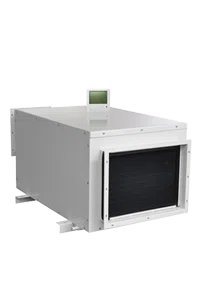
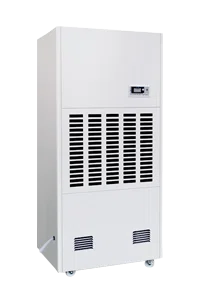
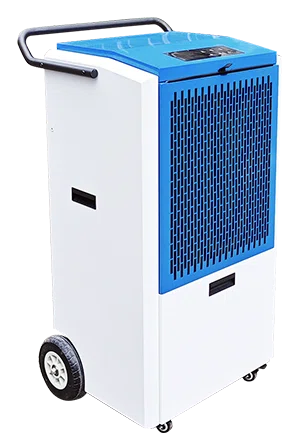
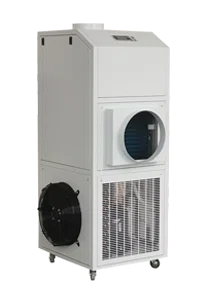
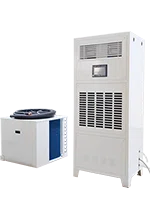
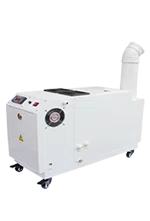
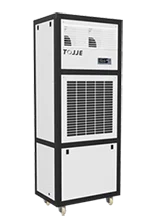
The Pool Room Dehumidifier Is the Last Line of Defense
An indoor swimming pool offers year-round comfort, privacy, and convenience. Whether it is located in a luxury hotel, fitness center, residential property, wellness facility, or aquatic sports complex, a controlled indoor swimming environment depends on more than clean water and comfortable temperatures.
There is another factor that deserves equal attention: humidity.
Every indoor swimming pool continuously releases moisture into the surrounding air. Warm pool water evaporates, increasing indoor humidity and creating conditions that can damage building materials, affect indoor air quality, and reduce the efficiency of HVAC systems.
Without proper humidity management, condensation may accumulate on windows, walls, ceilings, and structural components. Over time, this moisture can contribute to corrosion, mold growth, unpleasant odors, and costly building repairs.
This is where a dedicated pool room dehumidifier becomes essential.
Often considered the last line of defense against moisture-related damage, a pool room dehumidifier helps maintain a controlled indoor environment, protect the building structure, and create a more comfortable swimming experience.
Why Indoor Swimming Pools Produce So Much Moisture
Unlike ordinary indoor spaces, swimming pool rooms contain a large, continuously exposed water surface.
Water evaporates naturally, and the evaporation rate increases under certain conditions.
Several factors influence how much moisture enters the air:
Pool Water Temperature
Warmer water generally evaporates faster than cooler water.
Indoor swimming pools are often maintained at temperatures that encourage continuous evaporation, especially in leisure pools, therapy pools, and wellness facilities.
Indoor Air Temperature
The relationship between air temperature and water temperature plays an important role in evaporation.
When the pool water is significantly warmer than the surrounding air, moisture transfer into the air can increase.
Relative Humidity
Relative humidity affects the air's capacity to accept additional moisture.
When indoor humidity is already high, the difference between the moisture level at the water surface and the surrounding air becomes smaller, which can influence evaporation.
Air Movement
Air circulation across the water surface can increase evaporation by removing the humid boundary layer above the pool.
This is particularly relevant in facilities with strong ventilation systems or poorly designed airflow patterns.
Swimmer Activity
Swimming, splashing, water features, and other activities increase the amount of exposed or disturbed water, potentially raising evaporation rates.
All these factors contribute to the continuous moisture load inside an indoor pool facility.
Without a dedicated moisture-control strategy, humidity can quickly become difficult to manage.
What Happens When Pool Room Humidity Is Not Controlled?
Excess humidity is not simply an issue of discomfort. It can affect the entire building environment.
Here are five common problems associated with inadequate pool room dehumidification.
1. Condensation on Windows and Walls
One of the earliest warning signs of excessive indoor humidity is condensation.
When warm, moisture-laden air comes into contact with a surface below its dew-point temperature, water vapor condenses into liquid water.
This commonly happens on:
-
Windows and glass doors
-
Metal frames
-
Exterior walls
-
Ceiling structures
-
Cold pipes and ventilation components
Repeated condensation can damage finishes, create water stains, and increase maintenance requirements.
2. Mold and Mildew Growth
Persistent moisture creates favorable conditions for mold and mildew.
These microorganisms can develop on damp walls, ceiling materials, insulation, and other building surfaces.
In addition to damaging construction materials, mold can contribute to unpleasant odors and indoor air quality problems.
Proper humidity control, combined with suitable ventilation and building maintenance, helps reduce these risks.
3. Corrosion of Metal Components
Indoor swimming pools are particularly challenging environments for metal materials.
Moisture, combined with airborne pool chemicals and chloramine-related compounds, can accelerate corrosion.
Potentially affected components include:
-
Structural metal connections
-
Lighting fixtures
-
HVAC equipment
-
Electrical enclosures
-
Fasteners and support structures
A properly designed pool room dehumidification system helps reduce prolonged exposure to high indoor humidity.
However, corrosion protection also requires appropriate material selection, chemical management, and ventilation design.
4. Damage to Building Structures
Long-term moisture exposure can affect paint, drywall, insulation, ceiling systems, and other construction materials.
In severe cases, moisture may penetrate concealed building assemblies, making repairs more complicated and expensive.
Preventing excessive indoor humidity is therefore an important part of long-term facility protection.
5. Uncomfortable Indoor Conditions
High humidity can make an indoor pool room feel warmer and less comfortable.
Visitors may experience a sticky atmosphere, while condensation and persistent dampness can make the facility feel poorly maintained.
For hotels, resorts, and fitness centers, environmental comfort directly influences the overall guest experience.
Why a Pool Room Needs a Dedicated Dehumidifier
A common misconception is that a standard air conditioner can adequately control humidity in an indoor swimming pool.
Although air conditioning removes some moisture during normal operation, it is not necessarily designed to handle the continuous and substantial moisture load generated by a swimming pool.
A dedicated pool room dehumidifier is designed specifically for this demanding environment.
Continuous Moisture Removal
Unlike ordinary residential spaces, pool rooms may experience substantial moisture generation throughout the day.
A specialized dehumidifier is selected according to the pool's evaporation load, room volume, operating schedule, and environmental conditions.
This allows the system to remove moisture more effectively under the intended operating conditions.
Stable Humidity Management
Maintaining suitable relative humidity helps reduce the risk of condensation on building surfaces.
Many indoor pool facilities use a relative humidity target of approximately 50%–60%, although the appropriate setpoint depends on water temperature, room temperature, surface temperatures, building design, and applicable standards.
The goal is not simply to achieve the lowest possible humidity.
Instead, the system should maintain a balanced environment that supports occupant comfort, building protection, and energy efficiency.
Better Integration with Pool HVAC Systems
Specialized pool dehumidifiers can be integrated with heating, cooling, and ventilation systems.
Depending on the equipment design, they may provide functions such as:
-
Moisture removal
-
Air circulation
-
Temperature control
-
Heat recovery
-
Fresh-air integration
-
Air distribution
Some commercial systems also recover heat from the dehumidification process and reuse it to support pool water or indoor air heating.
This can improve overall energy efficiency when the system is properly designed.
The Pool Room Dehumidifier as the Last Line of Defense
Why describe a pool room dehumidifier as the last line of defense?
Because it plays a critical role in controlling moisture after evaporation has already occurred.
Building insulation, vapor barriers, ventilation design, pool covers, and appropriate air circulation all contribute to moisture management.
However, none of these measures alone can guarantee that indoor humidity remains within an acceptable range.
A dedicated dehumidifier actively removes excess water vapor from the air.
It helps protect the facility against several interconnected problems.
Protecting the Building Envelope
The building envelope is constantly exposed to differences in temperature and humidity.
By controlling indoor moisture levels, a dehumidification system helps reduce the likelihood of condensation on vulnerable surfaces.
This is particularly important in buildings with large glass areas, metal framing, and complex roof structures.
Protecting HVAC Equipment
Excessive humidity can contribute to corrosion and moisture-related deterioration in HVAC components.
Appropriate humidity control helps create more favorable operating conditions for air-handling equipment, electrical systems, and other building infrastructure.
Protecting Interior Finishes
Ceilings, decorative panels, lighting fixtures, flooring, and wall finishes can all be affected by persistent moisture.
A properly sized pool room dehumidifier helps reduce the conditions that contribute to moisture damage.
Protecting the Visitor Experience
Ultimately, the purpose of pool room climate control is not limited to protecting equipment.
It also creates a comfortable environment for swimmers, guests, employees, and facility operators.
An indoor swimming pool should be a place of relaxation, recreation, and comfort.
But behind every well-maintained pool facility is an effective environmental control strategy.
Excessive humidity can damage building materials, encourage mold growth, accelerate corrosion, and create uncomfortable indoor conditions.
While insulation, ventilation, pool covers, and appropriate HVAC design all play important roles, a dedicated pool room dehumidifier provides the active moisture removal needed to keep humidity under control.