
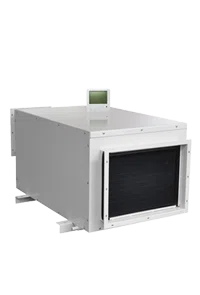
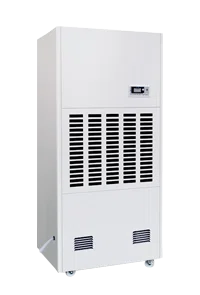
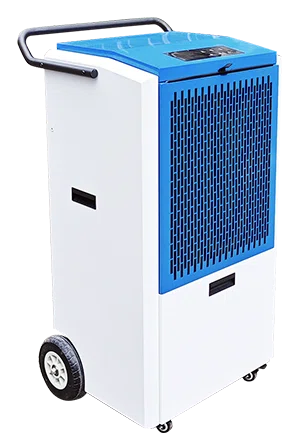
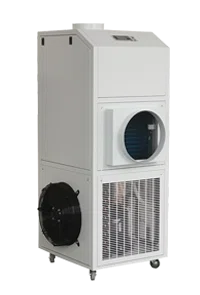
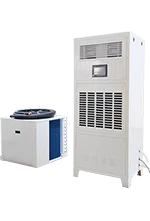
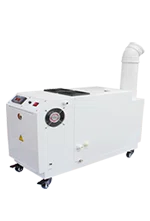
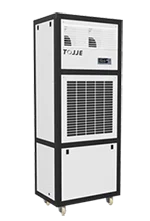
Thermostatic & Humidistat Units for Sensitive Material Storage
Sensitive materials can be affected by changes in temperature and humidity during storage. Excessive moisture may contribute to corrosion, mold growth, condensation, or material degradation, while unsuitable temperatures can affect product stability and equipment performance. For warehouses and controlled storage areas, maintaining a stable indoor environment is therefore an important part of material protection.
Thermostatic & Humidistat Units provide a practical way to monitor and control both temperature and relative humidity. When integrated with heating, cooling, humidification, or dehumidification equipment, these control units can help maintain suitable storage conditions and reduce environmental risks.
Applications of Thermostatic & Humidistat Units
Thermostatic & Humidistat Units can be used in various storage and industrial environments where environmental stability is important.
Industrial Warehouses
Industrial warehouses may store metals, components, raw materials, electronic products, packaging materials, and other moisture-sensitive goods. Temperature and humidity control can help create more suitable conditions for long-term storage.
Electronic and Electrical Equipment Storage
Electronic components and electrical equipment can be sensitive to moisture and condensation. Humidity management can help reduce environmental risks during storage and before products are moved into production or installation.
Raw Material Storage
Certain raw materials can change their condition when exposed to unsuitable temperature or humidity levels. Environmental control provides an additional layer of protection against storage-related deterioration.
Archives and Sensitive Products
Documents, samples, specialty materials, and other sensitive products may require stable environmental conditions. Thermostatic and humidistat controls can support controlled storage areas where fluctuations need to be minimized.
How Thermostatic & Humidistat Units Improve Storage Conditions
One of the main advantages of combining temperature and humidity control is coordinated environmental management.
A typical system monitors the surrounding conditions through temperature and humidity sensors. When the measured values move outside the configured range, the controller can send signals to connected equipment.
For example, if humidity becomes too high, the humidistat function can activate a dehumidification system. If the temperature falls below the desired level, the thermostatic function can activate heating equipment. Cooling equipment can similarly be controlled when temperatures become excessive.
This approach reduces the need for constant manual adjustment and allows storage conditions to be managed more consistently.
Benefits for Sensitive Material Storage
More Stable Environmental Conditions
Continuous monitoring and automatic control can help reduce unwanted temperature and humidity fluctuations.
Reduced Moisture-Related Risks
Humidity control can help limit conditions associated with condensation, corrosion, and other moisture-related problems.
Better Equipment Protection
Stable environmental conditions can also benefit HVAC equipment, electrical systems, sensors, and other equipment installed within controlled storage spaces.
Less Manual Intervention
Automated control reduces the need for personnel to repeatedly check and adjust environmental conditions.
More Efficient Environmental Management
Instead of operating heating, cooling, humidification, or dehumidification equipment continuously, control units can help operate connected equipment according to actual environmental conditions. This can support more efficient energy management when the system is properly configured.
Key Factors When Choosing a Thermostatic & Humidistat Unit
Selecting the right unit requires consideration of both the storage environment and the equipment being controlled.
Temperature Control Range
Check whether the unit supports the temperature range required by the storage application. The controller should be suitable for the expected operating conditions.
Humidity Control Range
The humidity control range should match the environmental requirements of the stored materials. Consider both normal operating humidity and potential seasonal changes.
Sensor Performance
Reliable temperature and humidity sensing is essential for effective environmental control. Sensor quality, response time, and installation location can influence control performance.
Control Compatibility
The unit should be compatible with the heating, cooling, humidification, or dehumidification equipment used in the facility. Suitable control outputs and communication functions can simplify system integration.
Alarm and Monitoring Functions
For critical storage environments, alarm functions can provide notifications when temperature or humidity moves beyond defined limits. Monitoring capabilities can also help operators identify environmental problems more quickly.
Installation Environment
Consider whether the unit will be installed in a clean indoor storage area, industrial warehouse, equipment enclosure, or another demanding environment. The controller and sensors should be appropriate for the surrounding conditions.
Supporting Reliable Long-Term Storage
Sensitive materials can face environmental risks even when they are protected from physical damage. Temperature and humidity fluctuations may gradually affect product quality, equipment reliability, and storage conditions.
By combining temperature monitoring with humidity control, Thermostatic & Humidistat Units provide a practical approach to maintaining a more stable storage environment. They can work with heating, cooling, humidification, and dehumidification systems to reduce manual intervention and support consistent environmental management.
For warehouses and industrial facilities storing sensitive materials, selecting a suitable thermostatic and humidistat control solution can be an important step toward improving storage reliability and protecting material quality over time.
Effective material storage requires more than adequate space and physical protection. Temperature and humidity should also be considered, particularly when storing materials that are sensitive to moisture or environmental fluctuations.
Thermostatic & Humidistat Units for Sensitive Material Storage help integrate temperature and humidity control into a coordinated environmental management system. With appropriate sensors, control settings, connected equipment, and regular maintenance, these units can help maintain stable storage conditions, reduce moisture-related risks, and support the long-term protection of sensitive materials.