
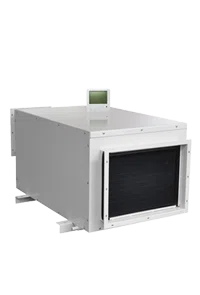
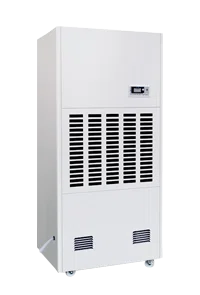
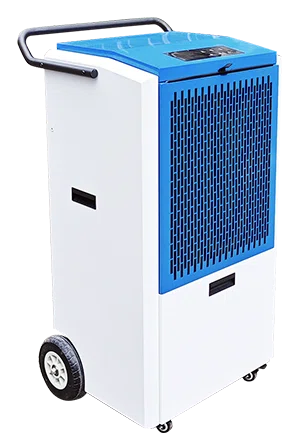
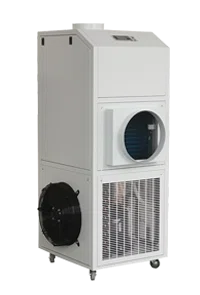
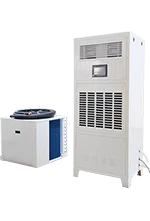
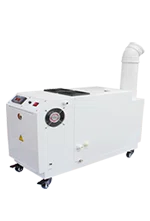
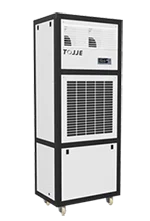
Ultra-Low SWaP Industrial Dehumidifiers for Mobile and Containerized Deployment
Industrial moisture control is no longer confined to fixed buildings. From emergency communication hubs to LED advertising trucks and modular container fleets, dehumidification is increasingly expected to operate anywhere, fast, and reliably. This shift has created demand for a new equipment class: Ultra-Low SWaP industrial dehumidifiers—systems optimized for Size, Weight, Power, and performance.
Why Containers and Mobile Fleets Need Specialized Moisture Control
Sealed or semi-sealed environments introduce humidity challenges that differ from conventional warehouses:
- High vapor pressure buildup in insulated containers
- No natural air exchange
- Condensation on cold surfaces during temperature swings
- Vibration and motion stress in vehicle deployment
- Dust, road debris, and exhaust exposure in mobile fleets
- Salt corrosion risk in coastal or winter-road environments
These conditions require systems engineered beyond standard commercial dehumidifiers.
Engineering Strategies Behind Ultra-Low SWaP Systems
1. Compact Thermal Architecture
Efficient refrigerant routing, micro-channel coils, and reduced internal air dead zones allow:
- Smaller enclosures
- Higher moisture removal per unit volume
- Faster pull-down time inside containers
2. Lightweight Structural Design
Modern SWaP dehumidifiers use:
- Aluminum or composite frames
- Polymer fan housings
- Optimized component topology to remove excess mass
3. Load-Adaptive Power Systems
Designed to run reliably on:
- 12V/24V vehicle grids
- 110V/220V inverter output
- Portable generators
- Hybrid power with soft-start and surge suppression
Variable-speed compressors and EC fans reduce power draw while maintaining capacity.
4. Ruggedization for Motion
Key features include:
- Shock-mounted compressors
- Vibration-resistant fasteners
- Reinforced coil isolation
- Condensate management that works while tilted or moving
5. Smart Moisture and Fault Monitoring
SWaP systems increasingly integrate:
- Edge-AI humidity control
- Predictive maintenance alerts
- Coil frost and condensate anomaly detection
- Remote fleet humidity dashboards
This reduces field failures and maintenance trips.
Use Cases You Can’t Solve with Standard Dehumidifiers
Containerized Deployment
- Telecom shelters
- Inventory tank insulation containers
- Walk-in cooler equipment pods
- Battery or electronics enclosures
- Temporary field labs
Mobile Fleets
- LED advertising trucks
- Stage and brand activation trucks
- Emergency broadcast vehicles
- Modular disaster response containers
- Pop-up industrial hubs
The Future of SWaP in Industrial Moisture Control
Trends shaping the next generation:
- Two-mode hybrid refrigerant + desiccant SWaP modules
- Heat recovery into container HVAC loops
- Battery-assisted peak shaving
- Machine-vision coil inspection
- Circular design for part-level replacement instead of full unit disposal
Industrial dehumidifiers are evolving from static infrastructure into deployable utility nodes, mirroring the same transformation seen in mobile OOH and modular industrial equipment.